


01Theory and practice
Causation in Offenses Committed by Omission
The legal duty to act, preventability of the result, and the limits of proof

Legal representation, defense, and assistance
Authorized to provide representation and defense before the Supreme Court of Cassation and the Supreme Administrative Court (at all levels of the court system). Memberships: IAL/UIA and the Sofia Bar Association (SBA). Registered to carry out activities under Article 4, item 16 of Bulgaria’s Measures Against Money Laundering Act.


The right to legal defense — IMMEDIATELY.
In the urgent situations described above, in addition to using the available channels to contact ATTORNEY IVANOV, you are ADVISED to send an SMS containing the following text: “СПЕШНО” (URGENT).
The right to legal defense — immediately.
Read the full text →The right to legal defense — immediately.
Read the full text →The right to legal defense — immediately.
Read the full text →The right to legal assistance from the time you are summoned.
Read the full text →INTERPOL • SIS • EAW • EUROPOL • ENFAST
Read the full text →The right to legal defense — immediately upon detention.
Read the full text →All 23 areas of practice appear below, with their complete texts.
All areas of practice ↓23 areas of practice
No matching areas of practice. Try a different search term.

Detention under Article 72 of the Ministry of Interior Act may not exceed 24 hours. The person must be released sooner if the grounds cease to exist. Any deprivation of liberty after that period requires a separate legal basis and an appropriate decision by the competent authority.
Charging a person does not, by itself, extend police detention. A prosecutor’s detention order of up to 72 hours under Article 64(2) of the Criminal Procedure Code is a separate measure to bring the accused before the court on an application for remand in custody; it is not automatic.
The right to legal defense arises immediately upon detention or an actual restriction of freedom of movement.
Legal basis: Articles 72–74 of the Ministry of Interior Act; Article 64(2) of the Criminal Procedure Code.

An ACCUSED PERSON is a person formally brought into that procedural capacity under the conditions and procedure established by Article 54 of the Criminal Procedure Code. At the pretrial stage, charging is governed by Article 219. At the court stage, the person against whom the charge is being tried has the status of a defendant.
The right to legal defense — immediately.

A DEFENDANT is the person against whom the charge is being tried at the court stage. Court proceedings may be instituted on an indictment filed by a prosecutor or, for privately prosecuted offenses, on the injured party’s complaint. This status is therefore not limited to cases brought by indictment.
The right to legal defense — immediately.
A witness must attend when duly summoned and give truthful testimony unless the law permits refusal. The principal rights include:
Legal assistance may be sought as soon as a summons is received. The applicable rights and any permissible refusal to testify depend on the person’s procedural status and the particular question.
Legal basis: Articles 119–123 of the Criminal Procedure Code.
If a witness begins giving self-incriminating testimony during questioning, the authority must stop the questioning and explain the rights specified in Article 139(7). Further safeguards include access to counsel, legal aid, and interpretation where the respective conditions are met; corresponding rules apply to confrontations under Article 143(6)–(10).
Legal basis: Article 139(7)–(11) and Article 143(6)–(10) of the Criminal Procedure Code.

A victim is an individual who has suffered pecuniary or nonpecuniary harm as a result of a crime. In court proceedings, a victim may join as a private prosecutor and/or a civil claimant.
An injured legal entity is an organization that has suffered pecuniary harm as a result of a crime. In court proceedings, it may join as a civil claimant.
The right to legal defense — immediately.
A victim who has suffered pecuniary or nonpecuniary harm from a publicly prosecuted crime is entitled to participate in the court proceedings as a private prosecutor.
The right to legal assistance at every stage of the court proceedings.
The victim of a crime prosecuted upon the victim’s private complaint may bring and maintain the prosecution before the court as a private complainant.
The right to legal assistance at every stage of the court proceedings.
The victim or the victim’s heirs, as well as legal entities that have suffered harm from the crime, may bring a civil claim for damages within the criminal court proceedings and join those proceedings as civil claimants.
The right to legal assistance at every stage of the court proceedings.
Persons against whom a civil claim has been brought, other than the criminal defendant, participate in the court proceedings as civil defendants.
The right to legal assistance at every stage of the court proceedings.
 1. Pretrial restraint measures (Article 58): an undertaking not to leave the place of residence without permission; bail; house arrest; remand in custody.
The right to legal defense — immediately upon the imposition of a procedural coercive measure.

The right to legal defense — immediately upon the imposition of a compulsory administrative measure.

The right to legal defense — immediately upon the imposition of a compulsory administrative measure.

A refusal of entry under Article 14 of the Schengen Borders Code is an individual reasoned decision, notified to the person concerned and subject to the applicable appeal procedure. It is not identical to a separate entry and residence ban. Refusal data are entered in the EES only where the person and border situation fall within that system’s scope.
Legal assistance may be sought as soon as entry is refused; where actual detention occurs, the safeguards against unlawful deprivation of liberty also apply.

The right to legal assistance — immediately upon notification of, or otherwise learning of, the refusal.
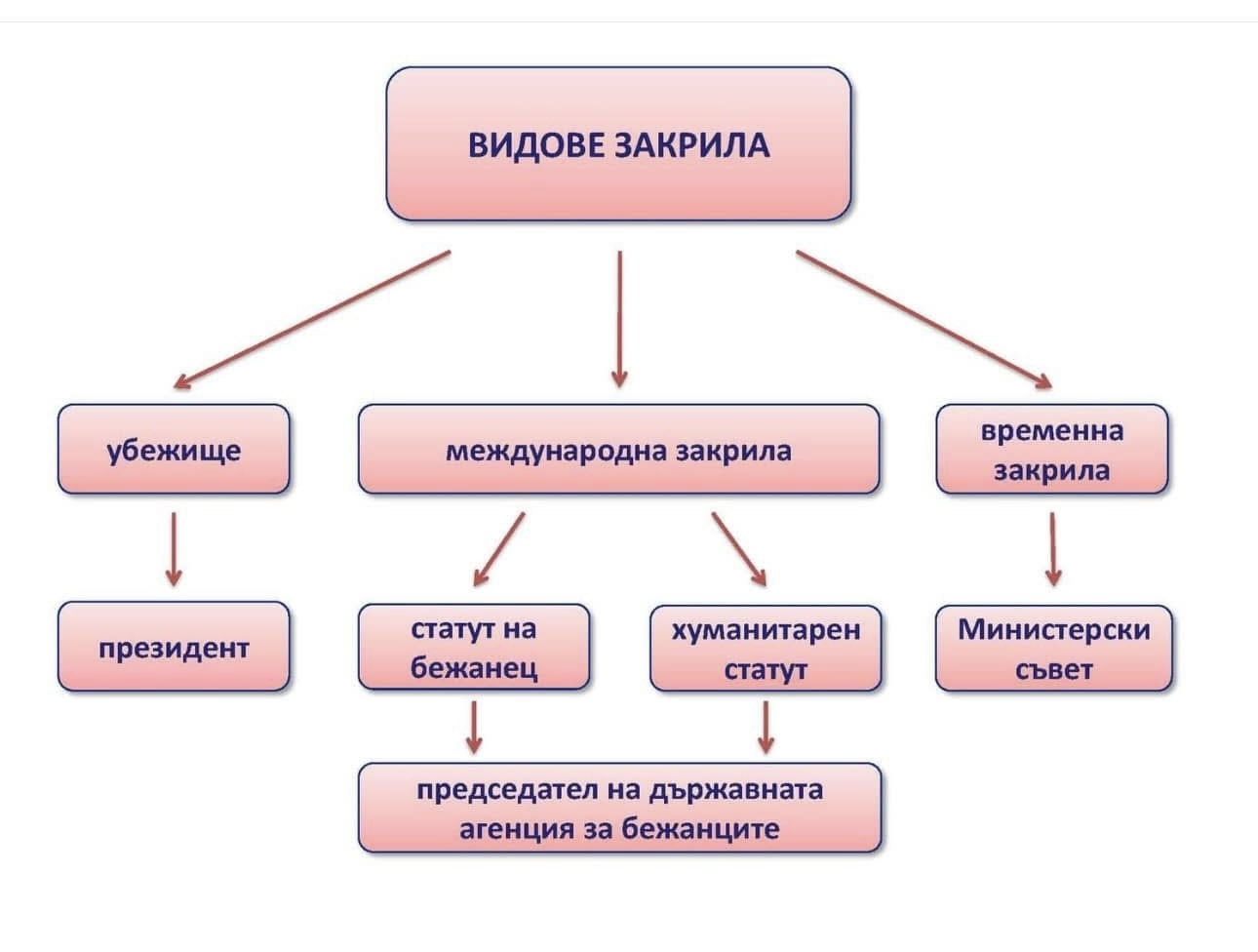
Legal defense, assistance, and representation in applications for asylum, status, or temporary protection in Bulgaria. Assistance in connection with compulsory administrative measures: placement in a special facility for the temporary accommodation of foreign nationals, detention under the Ministry of Interior Act, or placement in a transit zone or holding facility at a border crossing.
The right to legal defense — immediately.
 1. Placement in the care of relatives, with outpatient medical supervision.
The right to legal defense — immediately from the first procedural action concerning the person in connection with a request for compulsory medical measures under Article 89 of the Criminal Code, including compulsory appearance, detention, a summons, or the appointment or hearing of a forensic psychiatric expert; in all cases, no later than the filing of the prosecutor’s application under Article 427 of the Criminal Procedure Code.
 1. Involuntary outpatient treatment.
The right to legal defense — immediately from the first state action that affects rights or restricts freedom of movement, including temporary placement under Article 154 of the Health Act; in all cases, no later than the prosecutor’s application or the first summons under Articles 157–158 of the Health Act.

→ Driving after alcohol or drug use: the basic offense under Article 343b(1) of the Bulgarian Criminal Code requires a blood alcohol concentration over 1.2‰, established by the prescribed procedure. Article 343b(2) separately covers driving with a concentration over 0.5‰ following a final conviction for the offense in paragraph 1. Driving after drug or drug-analog use, established by the prescribed procedure, is governed by paragraphs 3 and 4.
→ Refusal of testing: criminal liability requires the specific conditions of Article 343b(6)—driving and refusing a test after a previous administrative penalty for one of those acts—or paragraph 7, concerning refusal of testing or failure to comply with an examination order after involvement in a road traffic accident. Under paragraph 8, no punishment is imposed where the refusal under paragraph 6 or 7 results from circumstances beyond the person’s control. Where the elements of a criminal offense are absent, administrative liability under the Road Traffic Act must be considered.
→ Driving without the appropriate license or during disqualification: Article 343v(1) requires driving while serving a disqualification after a previous administrative penalty for the same act. Paragraph 2 concerns repeated driving without the appropriate license within one year of the administrative penalty.
→ Unregistered motor vehicles and registration plates: the separate offenses in Article 345 may apply; falsifying, obliterating, or damaging a vehicle identification number is assessed under Article 345a. Not every technical irregularity constitutes a crime.
→ Allowing an unlicensed driver, or a driver who has consumed alcohol or drugs, to use a motor vehicle: the prohibition is in Article 102(1), item 1, of the Road Traffic Act, with administrative consequences where its statutory conditions are met. The person providing the vehicle can incur criminal liability only if the specific conduct satisfies the elements of another applicable offense.
→ Accidents involving injured persons: Articles 342 and 343 apply where the elements of a transport offense are established. For negligent death or moderate/serious bodily injury caused by other road users, including users of nonmotorized vehicles, the general offenses in Articles 122 and 133 must also be examined, depending on the facts.
Legal defense should be sought immediately, both for the person whose liability is being investigated and for injured parties. The applicable version of the criminal law depends on the date of the act and the more-lenient-law rule in Article 2.
Legal basis: Articles 2, 122, 133 and 342–345a of the Criminal Code; Articles 102, 174 and 177 of the Road Traffic Act.
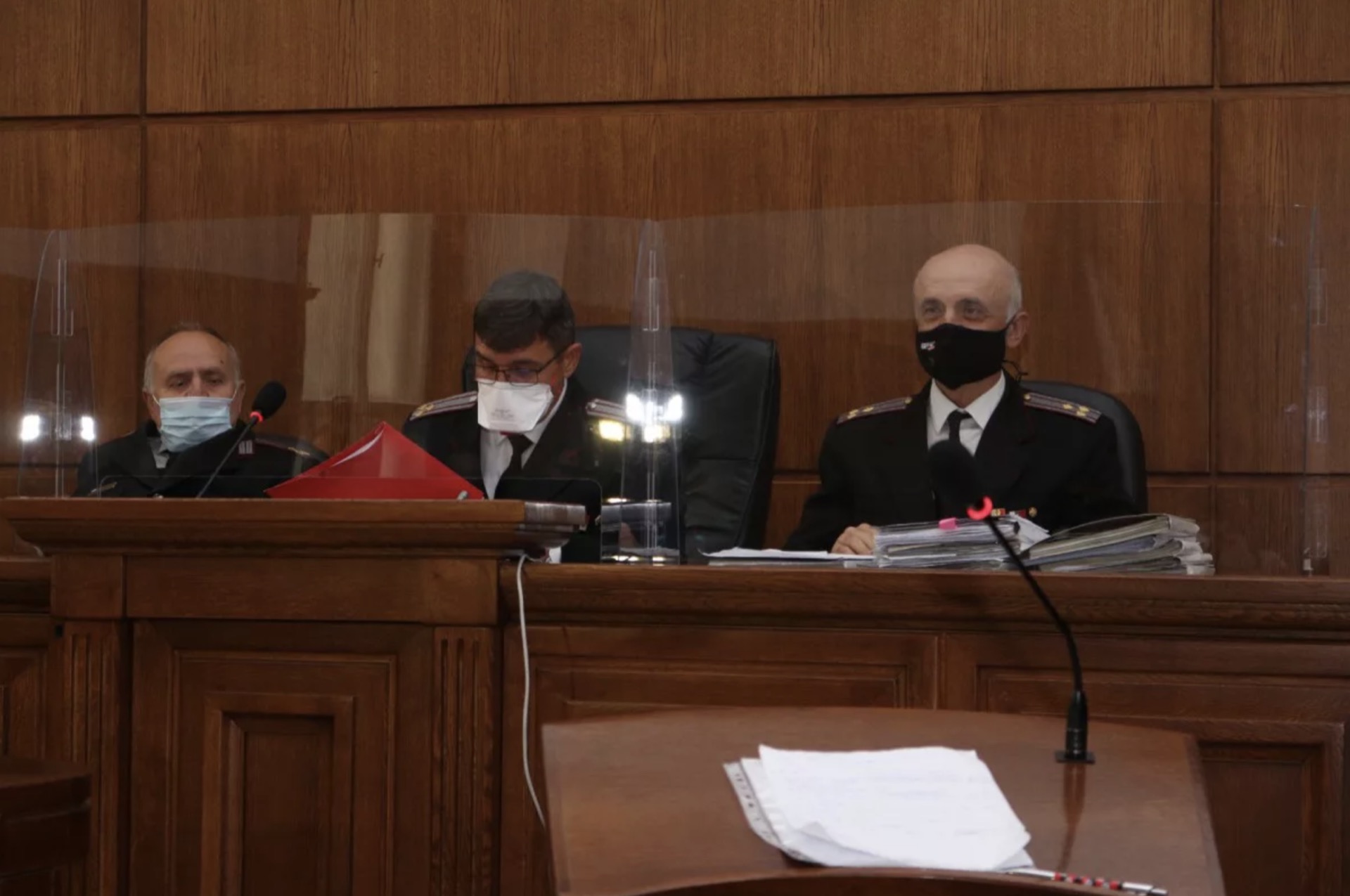
Military court jurisdiction is governed by Article 396 of the Criminal Procedure Code, except for offenses within the competence of the European Public Prosecutor’s Office. The person’s status and the statutory conditions matter, not merely the label attached to the offense.
→ Military personnel and the other categories expressly specified in Article 396(1); for military personnel, the act need not necessarily have been committed in the performance of military duties.
→ Reservists performing active service in the voluntary reserve and persons in wartime service, under Article 396(1), item 4.
→ Civilians serving in the Ministry of Defense, the Bulgarian Armed Forces, structures subordinate to the Minister of Defense, or the National Service for Protection, for offenses committed in the performance of or in connection with their duties, under Article 396(1), item 6.
→ Civilians acting as accomplices with persons in the categories specified in Article 396(1), as provided by Article 396(2).
Structure / judicial instances: 1. A military district prosecution office and the corresponding military court in Sofia, Plovdiv, or Sliven. 2. The Military Appellate Prosecution Office and Military Appellate Court in Sofia. 3. The Supreme Court of Cassation.
Measures to secure appearance: the ordinary measures in Article 58 must be distinguished from the special measures in Article 401 for persons covered by Article 396(1), item 4: close supervision within the unit and detention in barracks or ordinary detention facilities.
The right to legal defense arises immediately according to procedural status; if detained, from the restriction of liberty.
Legal basis: Articles 396, 399, 401 and 405 of the Criminal Procedure Code.

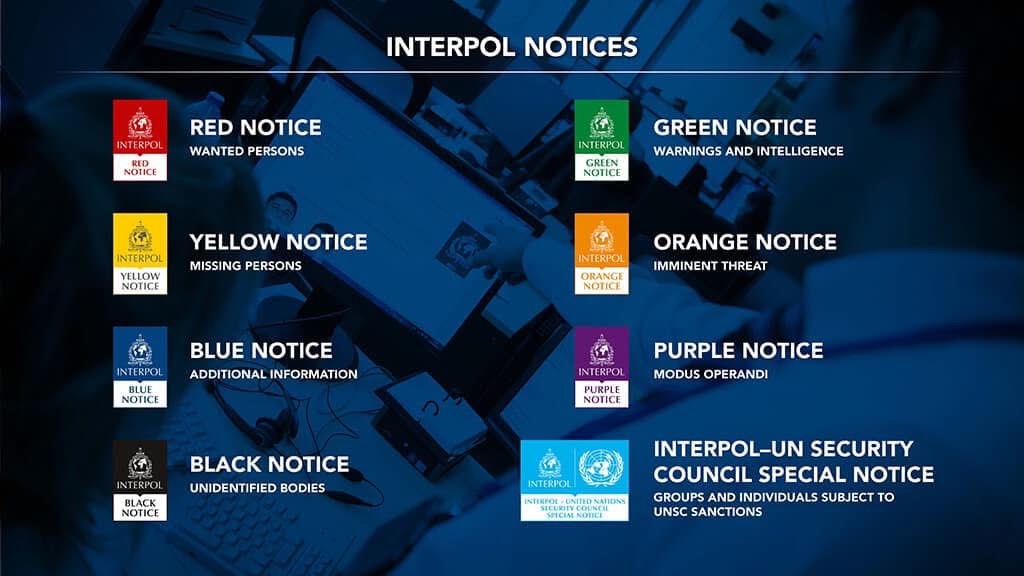


Legal basis: INTERPOL — Red Notices; EUROPOL — right of access.
 1. Extradition outside the EU at Bulgaria’s request, following location and arrest in another country.
The right to legal defense — immediately upon detention. Engaging two attorneys is strongly recommended: one in the executing state, where you are detained, to handle the proceedings and restraint measure; and one in the issuing or requesting state to address assurances, the rule of specialty, limitation periods, documents, safeguards concerning detention conditions, proceedings and health, negotiations, and possible withdrawal or amendment of the EAW.

For transactions in Sofia 1000, Bulgaria; the Region of Central Macedonia, Greece; and the Provence-Alpes-Côte d’Azur Region, France, with the aim of preventing improper practices and real estate fraud.

Legal assistance and consulting when applying to the Ministry of Interior for a firearms license, and legal representation when challenging a refusal to issue a license or the revocation of an existing license.
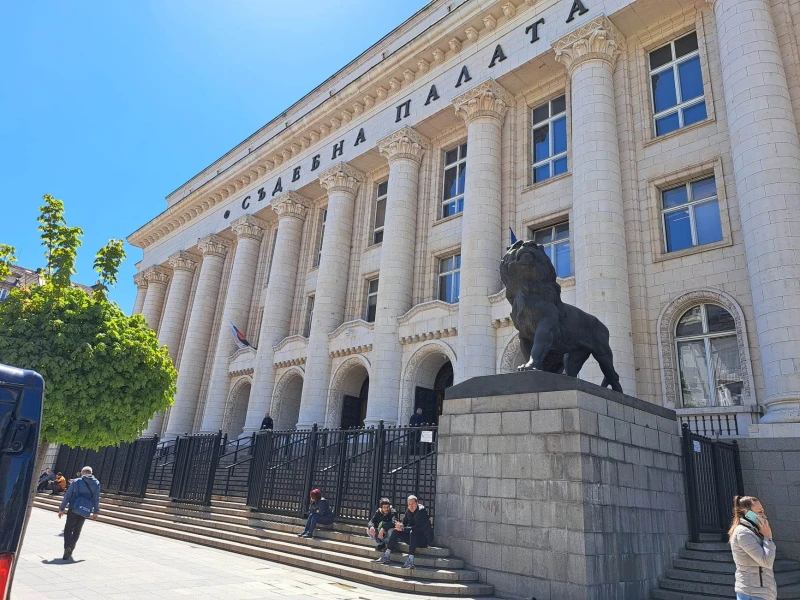 The image could not be loaded. Select it to open the original file.
Authorized to provide representation and defense before the Supreme Court of Cassation and the Supreme Administrative Court, at all levels of the court system.
Read the full text on the right to defense →Constitution of the Republic of Bulgaria — Article 30(5): Everyone has the right to meet in private with the person providing their defense. The confidentiality of their communications is inviolable.
Every citizen has a right to protection where their rights or legitimate interests are violated or threatened, and may appear with counsel before state institutions under Article 56 of the Bulgarian Constitution. Under Article 24(1), item 3, of the Bar Act, legal practice includes representation and protection before judicial and administrative authorities and in dealings with individuals and legal entities.
Effective access to counsel and attorney–client confidentiality receive constitutional and Convention protection. Procedural arrangements and restrictions must be assessed under the applicable law, taking account of the essence of the right, necessity, proportionality, and adequate safeguards. Decisions on different legal issues cannot be treated as a blanket prohibition on regulating legal practice.
Legal basis: Articles 24, 33–34 and 45 of the Bar Act.
Attorneys Act — Article 24(1), item 3: The practice of law includes representing clients and defending their rights and legitimate interests before judicial authorities, administrative authorities and services, and individuals and legal entities.
Attorneys Act — Article 29(1): Before courts, pretrial authorities, administrative authorities, and other services in Bulgaria, an ATTORNEY or an attorney from the European Union is entitled to the same respect as a judge and MUST RECEIVE THE ASSISTANCE DUE TO A JUDGE.
Attorneys Act — Article 33(1): An attorney’s papers, files, electronic documents, computer equipment, and other information media ARE INVIOLABLE AND ARE NOT SUBJECT TO INSPECTION, COPYING, EXAMINATION, OR SEIZURE.
(2) Correspondence between an attorney and a client, irrespective of the means of communication, including electronic communication, IS NOT SUBJECT TO INSPECTION, COPYING, EXAMINATION, OR SEIZURE AND MAY NOT BE USED AS EVIDENCE.
(3) Conversations between an attorney and a client MAY NOT BE INTERCEPTED OR RECORDED. ANY RECORDINGS THAT HAVE BEEN MADE MAY NOT BE USED AS EVIDENCE AND MUST BE DESTROYED IMMEDIATELY.
(4) AN ATTORNEY MAY NOT BE QUESTIONED in a procedural capacity about conversations or correspondence with a client; conversations or correspondence with another attorney; a client’s cases; or facts and circumstances learned in connection with providing defense and assistance.
(5) Paragraphs 1–4 also apply to attorneys from the European Union, junior attorneys, and legal assistants.
Attorneys Act — Article 34(1): AN ATTORNEY or an attorney from the European Union HAS THE RIGHT TO MEET PRIVATELY WITH A CLIENT, INCLUDING WHEN THE CLIENT IS REMANDED IN CUSTODY OR IMPRISONED.
(2) DURING THESE MEETINGS, THE ATTORNEY or attorney from the European Union HAS THE RIGHT TO EXCHANGE WRITTEN MATERIALS RELATING TO THE CASE, THE CONTENTS OF WHICH MAY NOT BE EXAMINED.
(3) CONVERSATIONS DURING THESE MEETINGS MAY NOT BE INTERCEPTED OR RECORDED, although the meetings may be visually monitored.
(4) For visits, an attorney identifies themselves solely by their attorney identification card; an attorney from the European Union does so by an attorney identification card or a certificate under Article 19б(3).
Attorneys Act — Article 39(1): Funds provided by a client for expenditure by an attorney or an attorney from the European Union may be deposited in a bank client account. Such an account may be opened by an attorney, an attorney from the European Union, or a law firm. Funds in the client account do not form part of the attorney’s or law firm’s assets and ARE NOT SUBJECT TO ATTACHMENT.
Attorneys Act — Article 45(1): AN ATTORNEY, including an attorney from the European Union, MUST PRESERVE A CLIENT’S CONFIDENTIALITY WITHOUT LIMITATION IN TIME.
(2) AN ATTORNEY, including an attorney from the European Union, MAY NOT, AS A WITNESS, DISCLOSE CIRCUMSTANCES entrusted to them in their professional capacity by a client or by another attorney in relation to a client.
Criminal Procedure Code — Article 121(2): A witness MAY NOT BE QUESTIONED ABOUT CIRCUMSTANCES ENTRUSTED TO THEM AS DEFENSE COUNSEL OR AS A LEGAL REPRESENTATIVE, or learned while acting as an interpreter during meetings between an accused person and defense counsel.
Constitution of the Republic of Bulgaria — Article 30(5): Everyone has the right to meet in private with the person providing their defense. The confidentiality of their communications is inviolable.
| Authority | Legal basis | Duration / place |
|---|---|---|
| Ministry of Interior police authorities | Articles 72–74 of the Ministry of Interior Act | Up to 24 hours from actual detention, in police detention premises. The person must be released immediately if the grounds cease to exist. |
| Authorized State Agency for National Security officers | Articles 124b and 124v of the State Agency for National Security Act, read with Article 4(1), item 11 or 13 | Up to 24 hours where there is information concerning the offenses specified by the Act. This is a special statutory detention power, not general authority to investigate under the Criminal Procedure Code. |
| Prosecutor | Article 64(2) of the Criminal Procedure Code | Up to 72 hours where necessary to bring the accused before the court on an application for remand in custody. The prosecutor’s order does not replace the judicial decision on remand. |
| Military Police | Articles 13 and 14 of the Military Police Act | Article 13 permits detention of up to 24 hours on the statutory grounds for the specified categories of persons. Article 14 concerns other persons on its special grounds, with immediate police notification and handover. The two regimes differ. |
| Military prosecutor | Article 64(2) of the Criminal Procedure Code and the special rules for military proceedings | Up to 72 hours to bring the accused before the competent military court on an application for remand, subject to the statutory conditions and judicial control. |
| Migration Directorate — compulsory placement in a special facility for foreign nationals | Article 44(5)–(10) and Article 46a of the Foreigners in the Republic of Bulgaria Act | For arranging return or expulsion on the statutory grounds, after an individual assessment and consideration of less restrictive measures. For adults, up to six months, exceptionally up to twelve additional months only on the specified grounds; decisions are subject to judicial review. Release is required if the grounds cease or no reasonable prospect of removal remains. Separate restrictions apply to children. |
| Execution of a final custodial sentence | Execution of Punishments and Detention in Custody Act | Serving the imposed term of imprisonment in the institution prescribed by law. This differs from police detention and pretrial measures to secure appearance. |
| The right to legal defense arises from detention or an actual restriction of liberty. | ||
Legal basis: Ministry of Interior Act; State Agency for National Security Act; Military Police Act; Criminal Procedure Code; Foreigners in the Republic of Bulgaria Act.
| Authority | Legal basis | Competence / activity |
|---|---|---|
| Prosecutor | Articles 46, 193, 196, 219 and 246 of the Criminal Procedure Code | Directs the investigation and supervises legality; may conduct the investigation or individual investigative acts. Files an indictment where the statutory requirements are met. Charging is not an exclusive prosecutorial power: an investigating authority may also charge under Article 219 after reporting to the prosecutor. |
| Investigators | Article 52(1), item 1, and Article 194(1) and (2) | Investigate the categories assigned by law, including expressly listed offenses and factually and legally complex cases assigned to them. Not every serious intentional offense automatically falls within their competence. |
| Military investigators and military investigating police officers | Articles 399 and 405 | Military investigators handle the cases in Article 405(1), including offenses committed by officers. Outside those cases, military investigating police officers investigate under paragraph 2. The military prosecutor directs and supervises the investigation. |
| Ministry of Interior investigating police officers | Article 52(1), item 2, Article 194(3), and Articles 196 and 219 | Investigate cases assigned under the Code under prosecutorial direction and supervision. They may charge a person under Article 219; no general exclusion prevents them from doing so. |
| Investigating customs inspectors | Article 52(1), item 2, and Article 194(3) | Investigate the customs, excise, and related tax offenses specified in Article 194(3), subject to its exceptions. They must be distinguished from other customs authorities with limited powers under Article 194(5). |
| Investigating inspectors of the Commission for Counteracting Corruption | Article 52(1), item 2, and Article 194(6) | Investigate matters assigned by Article 194(6) under the law currently in force. Competence depends on the offense, the person’s status, and any applicable transitional provisions. |
| State Agency for National Security — operational authority, not an investigating authority under Article 52 | Article 215 of the Criminal Procedure Code and the Agency’s statutory competence | Where the perpetrator is unknown and the Article 215 conditions are met, performs assigned identification and search activities; once information concerning a particular person is obtained, hands the materials to the investigating authority and immediately notifies the prosecutor. This does not confer general investigating-authority status or replace formal investigative acts. |
| Legal assistance is available according to procedural status; upon detention, access to counsel arises immediately. | ||
Legal basis: Articles 46, 52, 193–196, 215, 219, 246, 399 and 405 of the Criminal Procedure Code.
SAVE TIME ON OFFICE VISITS WITH REMOTE LEGAL ASSISTANCE — AT ANY TIME AND FROM ANYWHERE IN THE WORLD
Send a written inquiry describing the legal assistance you require, asking about (1) availability to undertake the work and (2) the attorney’s fee, payable in full and in advance. Include your full name, citizenship, and contact details for a reply by email or Viber, and briefly describe the matter:

SAVE TIME ON OFFICE VISITS WITH REMOTE LEGAL ASSISTANCE — AT ANY TIME AND FROM ANYWHERE IN THE WORLD
Send an inquiry about an online consultation, including availability, the attorney’s fee, and possible dates and times. Provide your full name, telephone number, and email address for a reply, and briefly describe the matter:
Applications you need to have or install on your device for an online consultation:
Active cooperation, professional contacts, and mutual assistance, nationally and internationally, with more than 10 000 attorneys and law firms worldwide, practicing in all areas of law.


Individual Member of the INTERNATIONAL ASSOCIATION OF LAWYERS, Member ID No. MI045827.
As an active member of the INTERNATIONAL ASSOCIATION OF LAWYERS (IAL/UIA), Attorney Ivanov maintains professional relationships with attorneys in more than 150 countries worldwide.
IAL provides a framework for cooperation and exchange that enables Attorney Ivanov to broaden his legal perspective and collaborate on cross-border cases, ensuring legal services grounded in excellence, ethics, and innovation.


PROVIDING LEGAL ASSISTANCE, LEGAL CONSULTANCY, LEGAL REPRESENTATION AND LEGAL PROTECTION TO U.S. CITIZENS, WHICH ARE VICTIM FROM A CRIME ON THE TERRITORY OF THE REPUBLIC OF BULGARIA. Parental child abduction, child protection, insurance, criminal law, damages, narcotics, contracts, transportation law, aeronautical/maritime, foreign claims, estates, taxes, immigration, auto/accidents and etc.

EXPERT RESPONDENT FOR BULGARIA for the EU SUBNATIONAL JUSTICE, GOVERNANCE AND RULE OF LAW INDICATORS PROJECT, funded by the European Commission and conducted by the WORLD JUSTICE PROJECT (WJP).

Nominated and recommended attorney by GLOBAL LAW EXPERTS (GLE) for 2025 /2026 as an expert in Criminal Law for the Republic of Bulgaria.
GLE selects the best lawyers in the world practicing in various areas of law. These leading professionals have the opportunity to collaborate, share ideas, serve as keynote speakers, and influence others in their field.

COLLABORATOR with the State Agency for National Security (SANS), in connection with combating corruption in the judiciary and other state and local government authorities in Bulgaria.
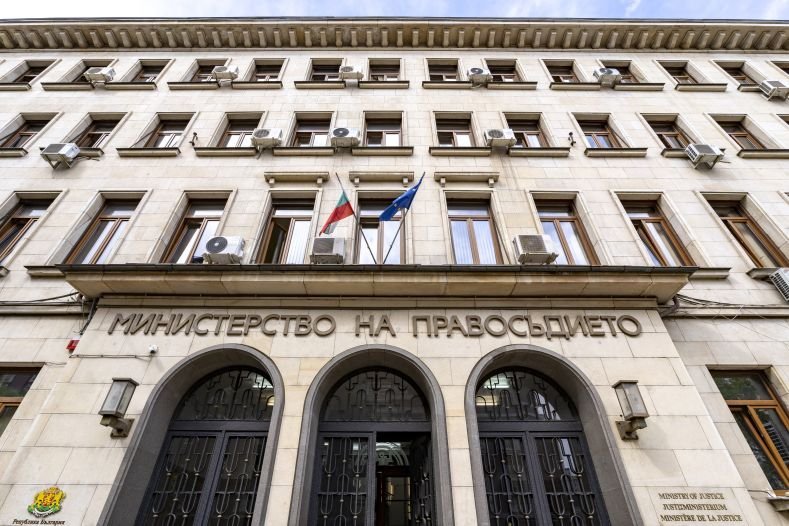
Listed in the Ministry of Justice public register as a practicing attorney authorized to carry out activities under Article 4, item 16, of the Measures Against Money Laundering Act.
Authorized to provide representation and defense before the Supreme Court of Cassation and the Supreme Administrative Court (at all levels of the court system).
Analyses of key doctrines of Bulgarian criminal law, combining legal theory and practice with statutory sources and case law.
12 of 12 articles
The legal duty to act, preventability of the result, and the limits of proof
The object of intent, negligence, and individualized attribution of a culpably caused result
Unity of the offense, connections between acts, and consequences for legal classification
Participation in the act of execution, shared intent, and individual responsibility
Stage of the offense, prevention of consequences, and special incentive provisions
An immediate attack, necessary defense, and the significance of fear or confusion
A mistaken belief in an attack and the limits of intentional and negligent liability
Grouping convictions, the single most severe sentence, increases, and credit for punishment served
Comparative social dangerousness and the distinction from insignificance and mitigation
A functional criterion, official competence, and proof of personal participation
The requirements of Article 13 and the special regime of justified economic risk under Article 13a of the Criminal Code
Commencement of execution, unity of the offense, and the point of completion
No articles match these words. Change the search or clear the field.
The standard hourly rate for legal advice, representation, and assistance is EUR 300 per hour, including VAT. The agreed legal fees are payable in full in advance.
For representation and defense in legal proceedings, commencement of work requires an initial advance payment covering a minimum of 10 hours of legal work, equivalent to EUR 3,000 including VAT at the standard hourly rate. The initial advance is not a fixed fee for handling the matter through to its conclusion.
Legal fees are determined individually for each matter, based on its factual and legal complexity, the scope of the engagement, and the work required. The specific financial terms are set out in the legal services agreement.
 The image could not be loaded. Select it to open the original file.
 The image could not be loaded. Select it to open the original file.
Select an image to view it at full size.
 The image could not be loaded. Select it to open the original file.
Attorney register
European e-Justice Portal
BULSTAT identification number: 180347277
VAT identification number: BG180347277
Office 149, Floor 1, 1a Vitosha Blvd., City Center, Sofia 1000, Bulgaria
(The date and time of the meeting MUST be booked in advance and confirmed in writing by Attorney Ivanov!)
84a Alexander S. Pushkin Blvd., Boyana, Sofia 1616, Bulgaria
These Terms govern use of the website in accordance with applicable law and do not restrict nonwaivable statutory rights.
The content is general information, not individual legal advice, a guarantee of outcome, or automatic acceptance of an engagement. Visiting the website or sending an inquiry does not, by itself, establish an attorney–client engagement. Receipt of information may nevertheless give rise to statutory confidentiality and personal-data protection duties.
The website provides general legal information, not a substitute for individual advice and a review of the documents in a specific matter. It does not guarantee a particular outcome, uninterrupted technical availability, or the applicability of every publication to every set of facts.
Liability limitations apply only to the extent permitted by law. Liability for intentional misconduct or gross negligence is not excluded or limited in advance, as provided by Article 94 of the Bulgarian Obligations and Contracts Act.
Nothing in these Terms displaces the attorney’s mandatory professional duties, responsibility for an accepted engagement, applicable personal-data rules, or nonwaivable consumer rights. Judicial remedies and statutory complaint and oversight procedures remain available.
Visitors should not take procedural action solely on the basis of a general publication without checking the applicable law, deadlines, and specific facts.
Every case is individual. ATTORNEY IVANOV’s publications, memberships, and nominations described on this website do NOT guarantee the outcome of your case. Past results do not determine future outcomes.
Reasonable efforts are made to maintain accurate and current information, but publications are not exhaustive and cannot cover every subsequent legislative or judicial development. The applicable version of the law must be determined for each case, including by reference to the date of the relevant facts.
Links to external websites are provided for reference. Attorney Ivanov does not control their content or guarantee uninterrupted access. A link does not, by itself, endorse every item on the external website.
Material inaccuracies may be reported to the published email address. This section is subject to the limitations stated in “Limitation of Liability” and does not displace professional responsibility for an accepted engagement.
External services and websites are operated by their respective providers under their own terms. Attorney Ivanov does not guarantee their continuous operation or compatibility with every device. This does not exclude liability that applicable law does not permit to be limited in advance, or any applicable duties as a personal-data controller.
For a voluntary engagement, Attorney Ivanov ordinarily accepts work following express written acceptance, a signed Legal Defense and Assistance Agreement, and full advance payment of the agreed initial fee or advance. A power of attorney is required where necessary for the assigned actions.
These are the practice’s contractual engagement conditions, not an exhaustive statement of every legal basis for representation. They do not displace mandatory rules on appointed counsel, oral authorization permitted in a court hearing, or other statutory exceptions.
A conflict-of-interest check precedes acceptance. Identification and anti-money-laundering measures apply where the law requires them and to the activities within its scope, subject to the rules protecting professional confidentiality and defense work.
Sending initial information or documents does not, by itself, constitute an accepted engagement or guarantee legal analysis. Confidentiality and lawful personal-data processing duties do not depend solely on signing an agreement or making payment.
Because of ATTORNEY IVANOV’s substantial professional workload and continuing commitments, if your telephone call is not answered, you should leave a voicemail message. ATTORNEY IVANOV will contact you when possible if he considers it necessary.
ATTORNEY IVANOV does NOT answer calls from withheld numbers or communicate with anonymous persons.
If calling as a private individual, provide your first name, last name, and a telephone number for a return call.
If calling in an official capacity, provide your position, last name, institution, and a landline number for a return call, so that your identity can be verified.
Electronic and paper communications can be forged or altered. If fraud is suspected, do not reply to the suspicious message or make a payment before independently verifying the information through a known contact channel.
Notify Attorney Ivanov and the competent police authorities. Call 112 in a genuine emergency; for a report without immediate danger, use the appropriate nonemergency reporting procedure.
Ordinary email and messaging applications do not, by themselves, provide absolute technical security. Before sending sensitive information or complete case files, confirm an appropriate channel and the conflict-of-interest check.
Professional confidentiality does not begin only when an agreement is signed or a fee is paid. Confidential information learned in the attorney’s professional capacity, including preliminary discussions of a possible engagement, is protected under the applicable statutory and ethical rules. Receiving an inquiry alone does not mean that representation has been accepted.
Legal basis: Articles 33 and 45 of the Bar Act; Article 5 of the Code of Ethics for Attorneys.
These conditions concern voluntary contractual engagements and initial inquiries. They do not displace duties to existing clients, the effects of lawful service, rules governing appointed counsel, or statutory legal-aid rights. Oral authorization in a court hearing remains possible where the law permits it.
The RECOMMENDED FORM OF COMMUNICATION, except in urgent circumstances, is IN WRITING, by email, Viber, WhatsApp, or Telegram.
In urgent situations — detention under Article 72 of the Ministry of Interior Act; placement in a border-crossing transit zone or holding facility; remand in custody; or a road traffic accident involving injured persons — in addition to the available channels for contacting ATTORNEY IVANOV, you are ADVISED to send an SMS containing the text: “СПЕШНО” (URGENT).
The original articles and other original works by Marian Georgiev Ivanov, Attorney-at-Law, are protected under the Copyright and Related Rights Act. All rights in those works are reserved. Rights in third-party images, marks, or other materials belong to the respective rights holders; publication does not make the attorney the author of a third party’s work.
Legislation, judicial and other public acts, and their official translations are outside copyright protection to the extent provided by Article 4 of that Act. Statutory exceptions for quotation and other permitted uses remain applicable.
Ordinary reading, personal saving or printing, and lawful quotation with attribution where required are not prohibited. Republication or other use outside statutory exceptions requires the appropriate permission. Search engines may crawl and index public pages in accordance with the published technical rules; this does not, by itself, authorize republication of protected works.
Legal basis: Articles 4 and 24–25 of the Copyright and Related Rights Act.
Bulgarian law applies subject to mandatory European Union and private international law rules. Court jurisdiction is determined by the applicable rules, without excluding nonwaivable consumer rights.
In the event of any discrepancy between a translation and the Bulgarian text, the Bulgarian text and the Bulgarian version of the website prevail.
The online assistant provides general information, not legal advice. Its answers may be incomplete or inaccurate and are not a substitute for a professional legal consultation. For a specific matter, contact Attorney Ivanov through the listed channels.
If any provision of these Terms is invalid, the remaining provisions remain in effect.
These Terms govern use of the website to the extent permitted by law. They do not replace an individual legal-services agreement or amend existing professional obligations. Mandatory law and valid individual terms prevail where applicable.
For questions about processing your personal data and exercising applicable rights, contact Marian Georgiev Ivanov, Attorney-at-Law, at ivanov.bg.sf@gmail.com. Do not provide more personal data than is necessary for the particular inquiry.
When following a link to an external website or application, the relevant provider’s rules also apply. This short statement does not replace the information that a controller must provide under Articles 13 and 14 of Regulation (EU) 2016/679 where those provisions apply.
The website’s content and Terms may be updated. A new version applies prospectively from publication to the extent permitted by law and does not automatically amend existing agreements or accrued rights and duties.
Changes to an individual engagement must follow the applicable agreement and law. Neither an update nor a visit to the website constitutes an advance waiver of nonwaivable rights.
These Terms are interpreted under applicable law. Attorney Ivanov’s assessment does not exclude judicial review, the authority of supervisory or disciplinary bodies, or the right to bring a valid claim.
 The image could not be loaded. Select it to open the original file.
The online assistant provides general information, not legal advice. Its answers may be incomplete or inaccurate and are not a substitute for a professional legal consultation. For a specific matter, contact Attorney Ivanov through the listed channels or by email: ivanov.bg.sf@gmail.com